Security & Smart Home Tips

Satellite vs. IPTV in Lebanon: Which Is Right for You?
March 18, 2026

Satellite vs. IPTV in Lebanon: Which Is Right for You?

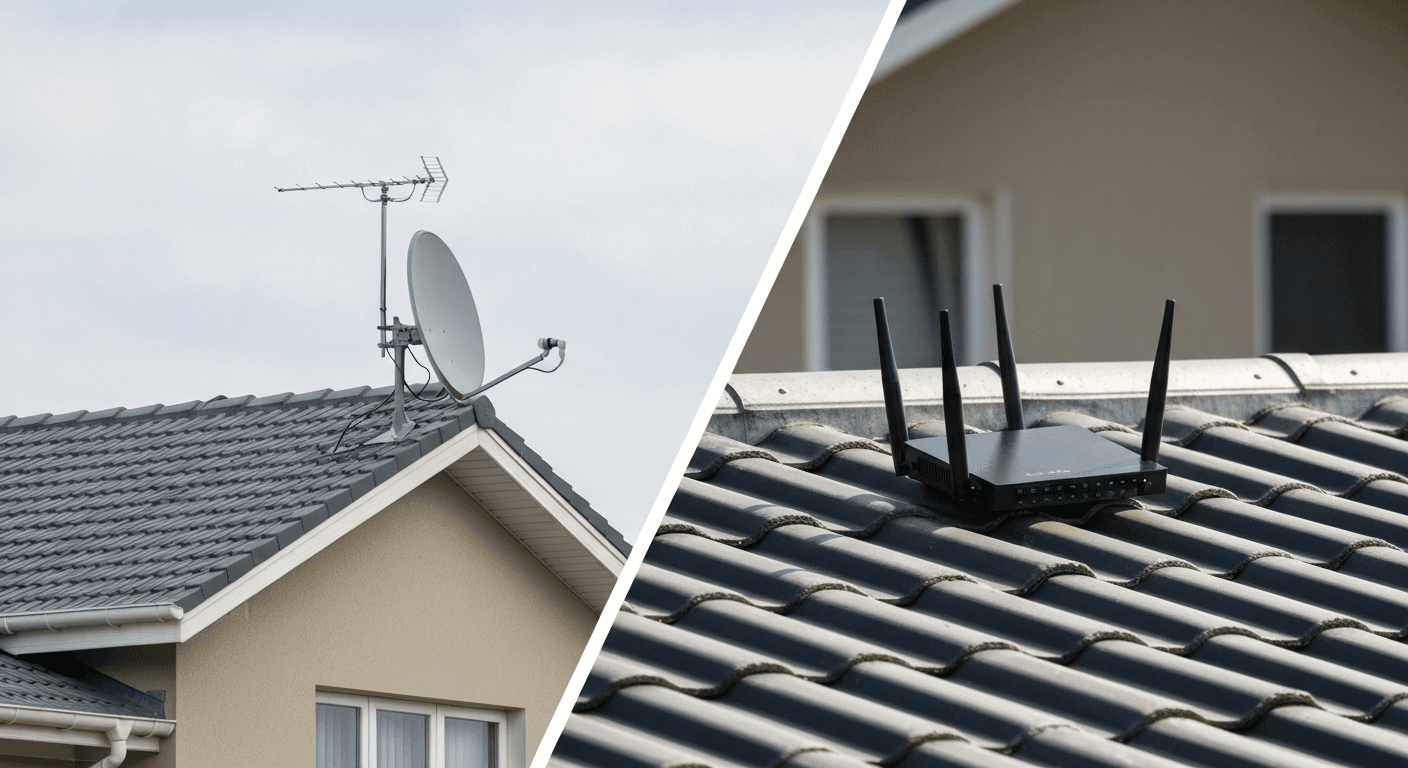
Look, I install satellite dishes and IPTV systems across Lebanon every day, so here is the honest breakdown. For satellite, your key positions are Nilesat 201 at 7°W for all major Arabic FTA channels (MBC, LBC, Al Jadeed, MTV), Arabsat Badr at 26°E for 400+ free Arabic channels, and Hotbird at 13°E for European content. A basic FTA setup — 60cm dish, universal LNB, and receiver — costs $80-120 installed. For premium content, OSN+ starts at $9.50/month streaming, and beIN Sports runs $13-16/month. Large families needing multi-room? A quad LNB feeds four TVs from one dish for about $150-250 total installed. Now IPTV: Ogero DSL still gives most homes 4-10 Mbps, but you need 10+ Mbps for stable HD and 25+ for 4K. Fiber is expanding — 221,000 homes connected in 2024, targeting 406,000 more — but most areas are still on copper. Where fiber is available, IPTV services offer thousands of channels plus VOD for $5-10/month. The catch? During internet outages, IPTV goes dark while satellite keeps working perfectly. My advice: go hybrid. A satellite dish for reliable FTA channels and live sports, plus IPTV for on-demand content. You are never left staring at a blank screen.

Read More
Fire Safety Requirements for Buildings in Lebanon: A Property Owner's Guide
March 15, 2026

Fire Safety Requirements for Buildings in Lebanon: A Property Owner's Guide

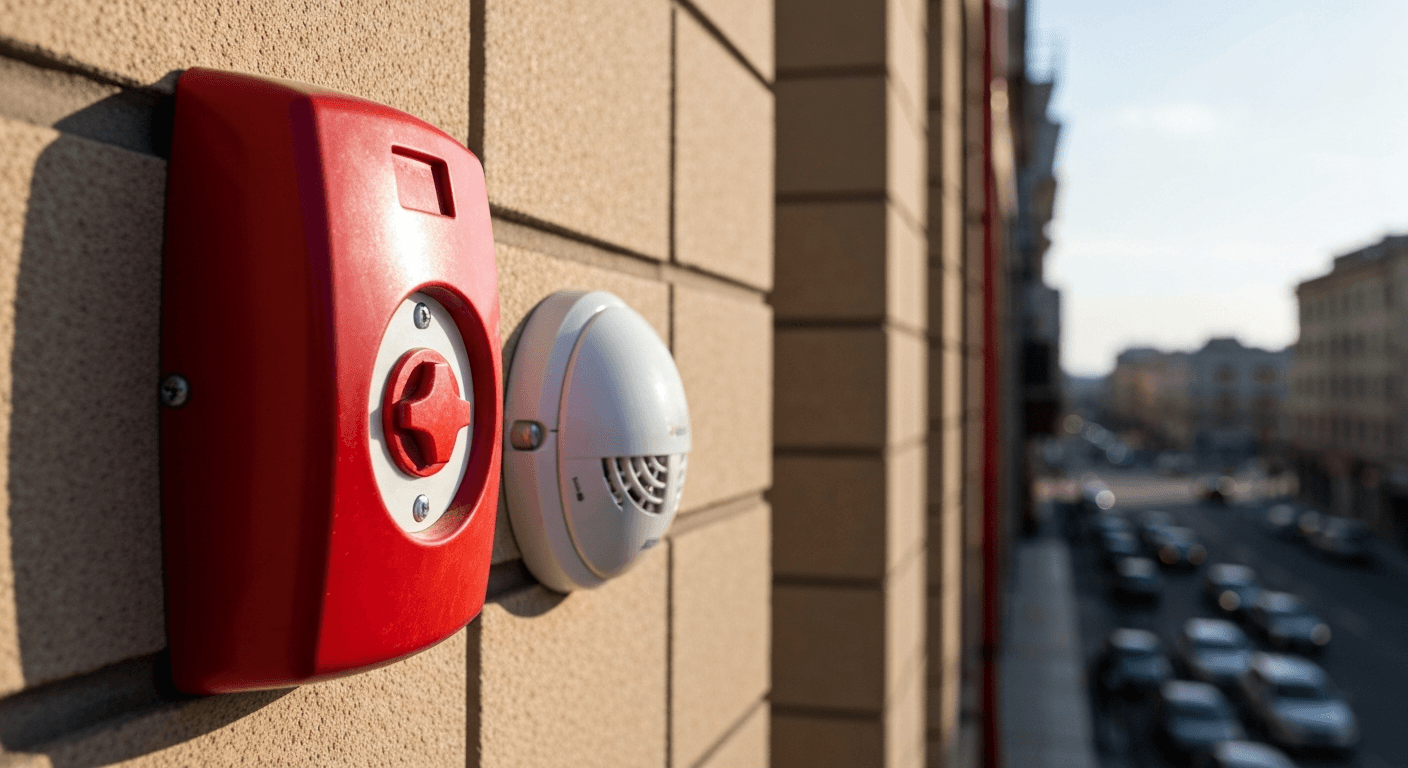
The Beirut port explosion of August 2020 killed 218 people — ignited by a fire near improperly stored ammonium nitrate. Yet most Lebanese buildings still lack basic fire detection. Generator rooms are the biggest fire risk in residential buildings: the Hamra explosion in 2024 torched a parking lot and trapped residents, and the Tarik al-Jdideh diesel tank blast killed four in 2020. These are not rare events. Lebanese regulations reference NFPA standards and require fire systems in commercial buildings, hotels, and high-rise residentials — but enforcement remains weak. Every building needs at minimum: a conventional fire alarm panel (a 4-zone Asenware or MAG panel costs $150-250), photoelectric smoke detectors in hallways (better for smoldering fires that kill at night), heat detectors in kitchens and generator rooms, manual call points at exits, and extinguishers on every floor. For restaurants and hotels, addressable systems from Notifier or Hochiki pinpoint the exact triggered device. A basic conventional system for a small building costs $300-500 installed; addressable systems start around $1,500. The cost of not installing one is measured in lives.

Read More
The Complete Business Security Checklist for Lebanese Companies
March 12, 2026

The Complete Business Security Checklist for Lebanese Companies

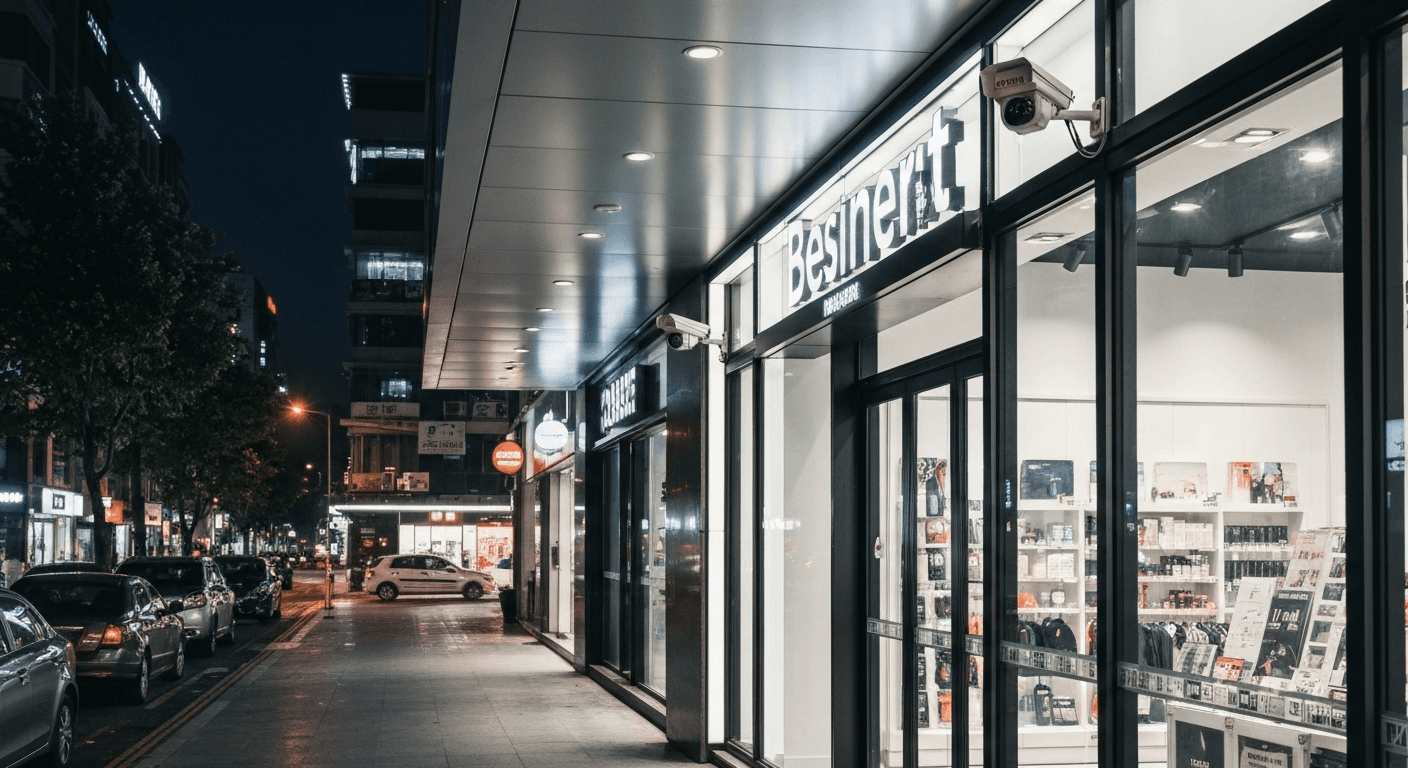
Lebanese ISF data shows theft crimes surged 269% between 2019 and 2021. Even after dropping to 3,152 cases in 2023, commercial break-ins remain far above pre-crisis levels. Whether you run a shop in Hamra, an office in Achrafieh, or a warehouse in Jounieh, here is what works. CCTV: a 4-camera Hikvision IP kit with NVR and 1TB HDD runs $400-600 installed—cover entrance, register, stockroom, and rear exit. For 8-16 cameras, budget $1,200-2,800. Critical in Lebanon: add a UPS backup (4+ hours, $150-250) because EDL outages leave you blind when most vulnerable. Access control starts at $500-1,200 per door (card reader + electric lock)—employee theft accounts for 30% of retail shrinkage globally. POS-integrated cameras catch fake voids, bogus returns, and register skimming. Fire alarms are mandatory: detectors, pull stations, and a panel run $300-800 for a small shop. Insurers offer 5-20% premium discounts for monitored systems, so a $500 CCTV setup saves $200-400 yearly on your policy. Lebanon lacks a workplace surveillance law, but the 2018 E-Transactions and Personal Data law applies—post signage, skip private areas. Minimum checklist: CCTV with UPS, access control on stockrooms, POS camera integration, fire detection, and documented security for your insurer.

Read More

Why Lebanese Businesses Are Ditching Paper Timesheets for Smart Attendance Machines
March 10, 2026

Why Lebanese Businesses Are Ditching Paper Timesheets for Smart Attendance Machines

Here is something I see every single week: a business owner in Jounieh or Dekwaneh hunched over a paper timesheet, trying to figure out if Ahmad actually showed up at 8 AM or if his colleague signed him in. Buddy punching — where one employee clocks in for another — costs businesses an estimated 2-5% of their gross payroll. For a company with 50 employees averaging $800/month each, that is $4,800-12,000 a year vanishing into thin air. I have helped dozens of Lebanese businesses switch from paper and manual Excel tracking to smart biometric attendance machines, and the transformation is always the same: shock at how much time and money they were losing. A solid fingerprint terminal from ZKTeco or Hikvision runs $100-200. Want face recognition too? Budget $200-400 for a combo unit that does fingerprint, face, and card. For a company with 50 employees, expect to invest $150-300 for a good fingerprint+face terminal — that is it. One device at the door and you are done. The ROI is immediate. Most businesses save 5-10 hours of HR admin work per month just on attendance tracking alone. No more chasing employees for sign-in sheets, no more end-of-month payroll nightmares. Cloud-based systems sync with your payroll software automatically. Post-COVID, many devices now include temperature screening — a ZKTeco ProFace X even does mask detection. Lebanese labor law requires employers to maintain accurate records of working hours including overtime, with a 48-hour weekly maximum. A smart attendance machine gives you that compliance automatically. If you have multiple branches, the cloud dashboard shows all locations in real time. Stop burning HR hours on a problem that a $200 device solves permanently.

Read More
5 Smart Home Upgrades That Add Value to Your Property in Lebanon
March 8, 2026

5 Smart Home Upgrades That Add Value to Your Property in Lebanon

Real talk from someone who does these setups every week: you don't need a fortune to make your Lebanese home smart. Start with Sonoff mini switches ($12 each from Bee Smart or Smartio) to control lights from your phone. A 3-bedroom apartment lighting setup runs $200-350 with Tuya bulbs and switches — skip Philips Hue ($50/bulb + $60 bridge). Tuya-based smart locks go for $80-150 and work great with the Smart Life app. Here's what nobody tells you about Lebanese buildings: thick concrete walls kill WiFi. Get a TP-Link Deco mesh (2-pack, ~$90) before installing anything smart. Since power cuts are life here, a mini DC UPS ($25-40) keeps your router and hub alive during outages. Google Home works in Lebanon through the app, and Sonoff/Tuya devices pair with it easily. Best part? Smart upgrades can boost property value by up to 10%. Start small, pick one ecosystem — I recommend Tuya/Smart Life for Lebanon: widest device support, cheapest options, and it works offline too.

Read More
Solar Energy in Lebanon: Everything You Need to Know in 2026
March 5, 2026

Solar Energy in Lebanon: Everything You Need to Know in 2026

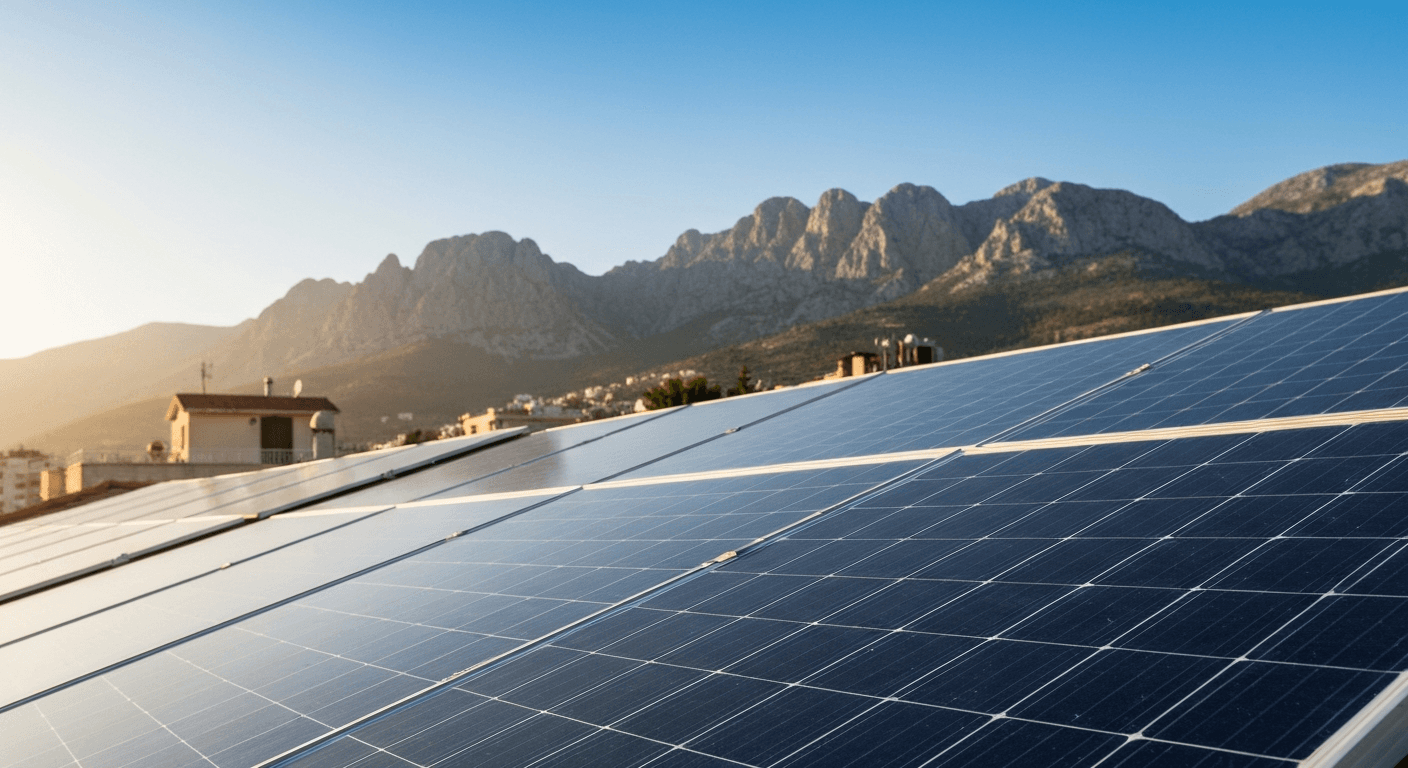
Look, if you're still paying $100-320/month between your EDL bill and the generator subscription, you need to hear this. We've installed over 200 solar systems across Lebanon — from Jounieh apartments running on 4 hours of EDL to Zahle homes with 8 hours — and the math always works out the same. A 5KW system with a Growatt or Deye hybrid inverter and LiFePO4 batteries runs you $8,000-10,000 fully installed. That covers your fridge, lights, TV, router, and a couple of ACs. With 300+ sunny days a year and around 5 peak sun hours daily, a properly sized system with LONGi or JA Solar Tier-1 panels generates 20-25 kWh/day. Most families we work with see full payback in 3-4 years, then it's basically free electricity for 25+ years. The NEEREA subsidized loans are frozen since the crisis, but at these prices, cash or installment plans through local banks still make sense. Stop feeding the generator mafia — call us for a free site assessment and we'll size a system that actually fits your home and budget.

Read More
Access Control Systems for Lebanese Offices: What You Need to Know Before You Buy
March 3, 2026

Access Control Systems for Lebanese Offices: What You Need to Know Before You Buy

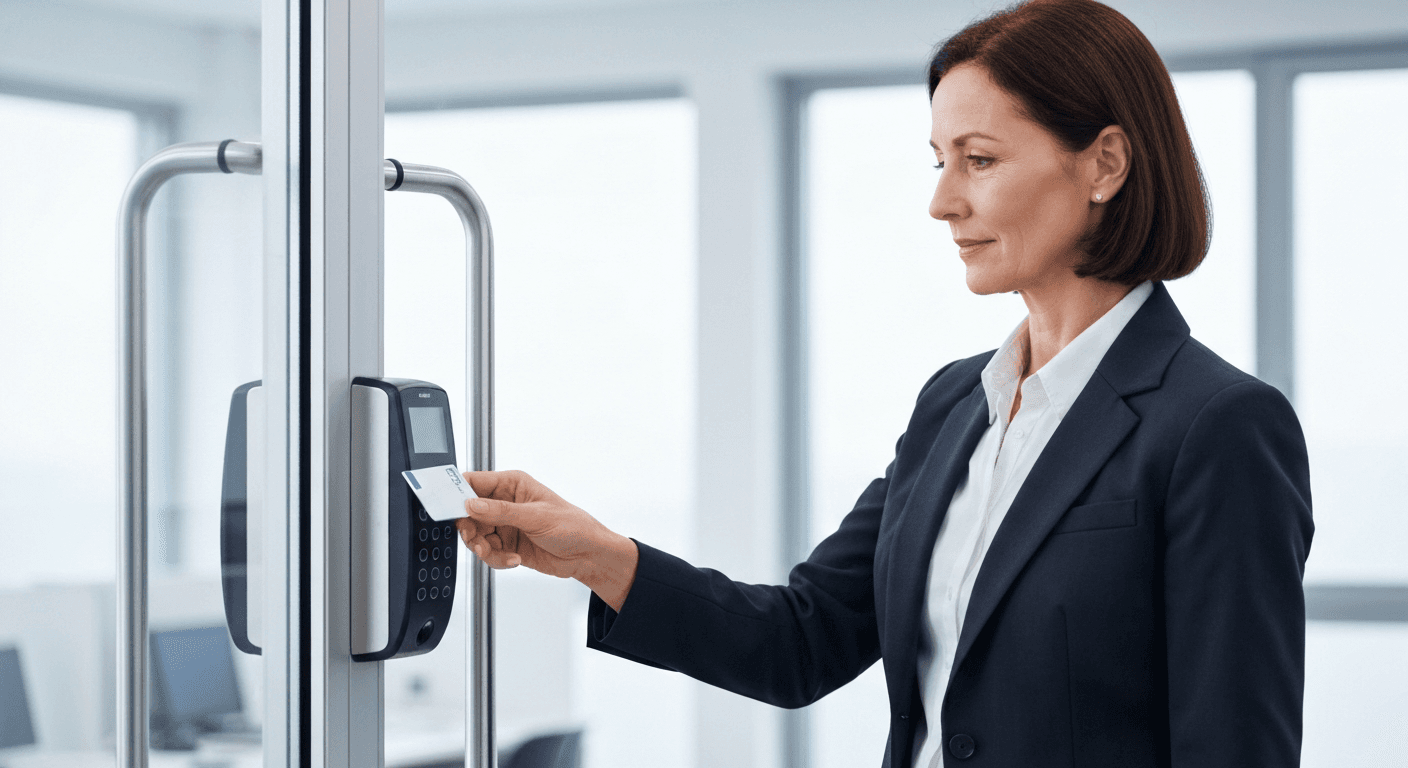
If you are setting up or upgrading an office in Lebanon, choosing the right access control system is one of the smartest investments you can make. But with so many options on the market, it is easy to overspend or pick the wrong technology. Here is what we tell every client. For a small office of 15-20 people in areas like Achrafieh, Jounieh, or Zouk Mosbeh, a standalone fingerprint terminal like the ZKTeco SF300 (around $110) or the F18 ($130) paired with an electric strike lock ($30-50) and basic wiring gives you a fully working system for $300-500 installed. That same device doubles as an attendance machine, so your HR team gets punch-in/punch-out records without buying separate hardware. Larger offices or multi-branch businesses should consider networked systems with cloud software. ZKTeco offers the SpeedFace-V5L (face and palm recognition, roughly $400-600) and the ProFace X ($900-1,100) for high-traffic entrances. These connect to a central dashboard so you can add or revoke employee access across all branches in seconds, which matters in Lebanon where employee turnover can be high. For door hardware, magnetic locks are great for glass doors but fail-safe, meaning they unlock during power cuts, which is a real concern here. Electric strikes are fail-secure and keep the door locked when power drops, which is usually what offices want. Always pair your system with a UPS battery backup ($40-80) to cover the gap before the generator kicks in. Budget $250-500 per door for card or fingerprint systems, or $600-1,200 per door for face recognition with attendance integration.

Read More
How to Choose the Right CCTV System for Your Home in Lebanon: A Practical Guide
March 1, 2026

How to Choose the Right CCTV System for Your Home in Lebanon: A Practical Guide

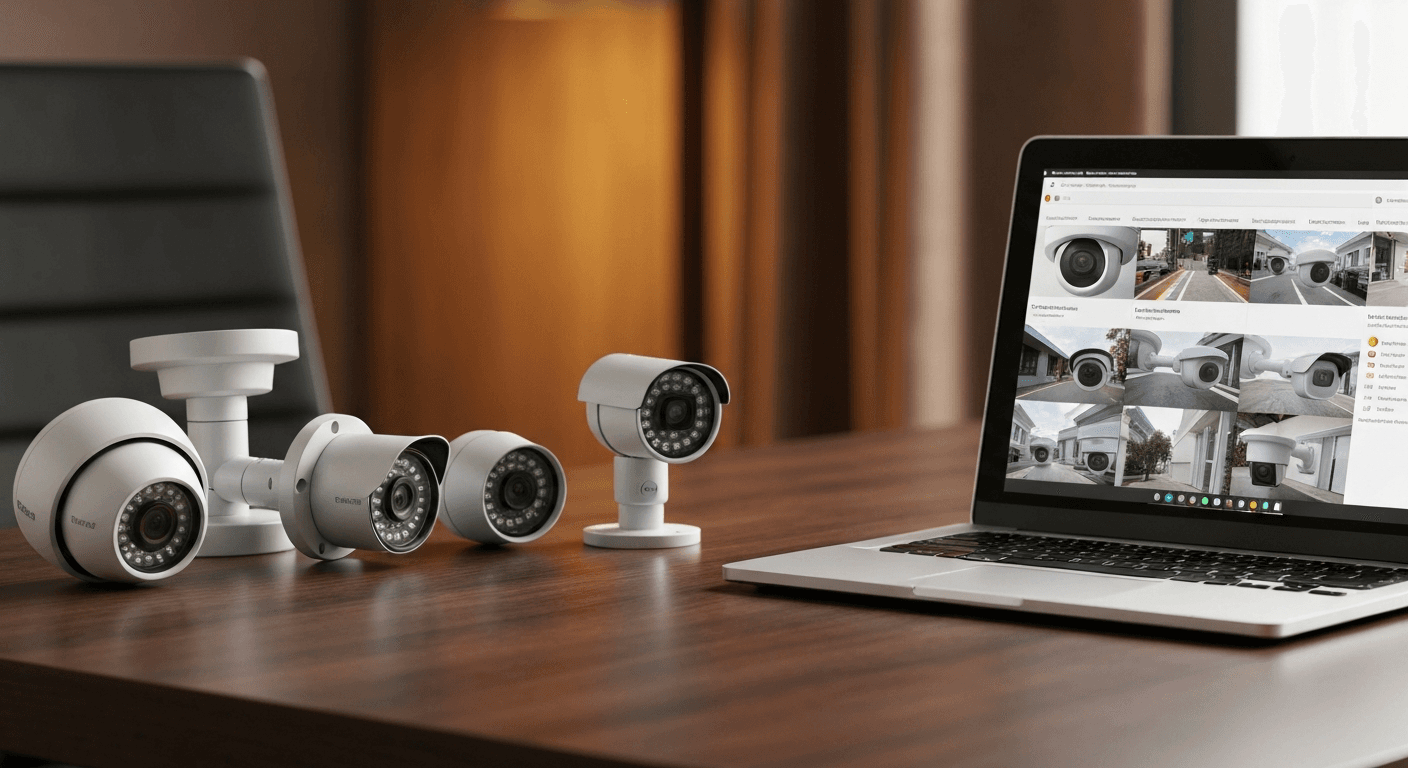
Look, I get asked this question almost every week — a homeowner in Beirut or up in the mountain calls me and says "I want cameras, what do I need?" So let me break it down the way I explain it to my own neighbors. First thing: forget about analog cameras in 2026. Yes, they are cheaper upfront — you can get a basic Hikvision 2MP analog turret for $25-30 — but the image quality is not worth it anymore. For about $40-55 per camera, you can get the Hikvision DS-2CD1043G2-I, which is a 4MP IP bullet camera (2560x1440 resolution) with 30 meters of infrared night vision and H.265+ compression. That is the sweet spot for most Lebanese homes. Now if you have a villa with a garden or a parking area, I always recommend the DS-2CD2347G2-LU from the ColorVu line. This one has an F1.0 super-aperture lens that gives you full color night vision up to 30 meters — not black and white, actual color at night. It runs about $150-180 and it is worth every dollar because you can actually identify faces and car colors in the dark. For the recorder, go with an NVR, not a DVR. The Hikvision DS-7608NI-K2/8P gives you 8 channels with built-in POE ports — meaning one cable carries both video and power to each camera. It supports two SATA hard drives, so you can put in 2x4TB drives and get roughly 30-45 days of continuous recording with 4-6 cameras at 4MP. That is more than enough for a home. A 4-camera IP system with an NVR and a 2TB hard drive installed will cost you between $350-600 depending on camera models. If you want ColorVu cameras, budget closer to $700-900. For a typical apartment, 2-3 cameras cover the entrance, balcony, and parking spot. For a villa, plan for 4-8 cameras: front gate, back door, driveway, garden sides, and maybe one covering the generator and water tanks. Always mount outdoor cameras at 3 meters height minimum — high enough that nobody can reach them, low enough to capture faces clearly. And make sure every outdoor camera is IP67 rated. One more thing: always use POE over wireless. Wireless cameras lose signal through concrete walls, and Lebanese buildings are all concrete. POE is reliable, clean, and you only run one ethernet cable per camera.

Read More
How to Watch Your CCTV Cameras from Your Phone — A Step-by-Step Guide
February 25, 2026

How to Watch Your CCTV Cameras from Your Phone — A Step-by-Step Guide

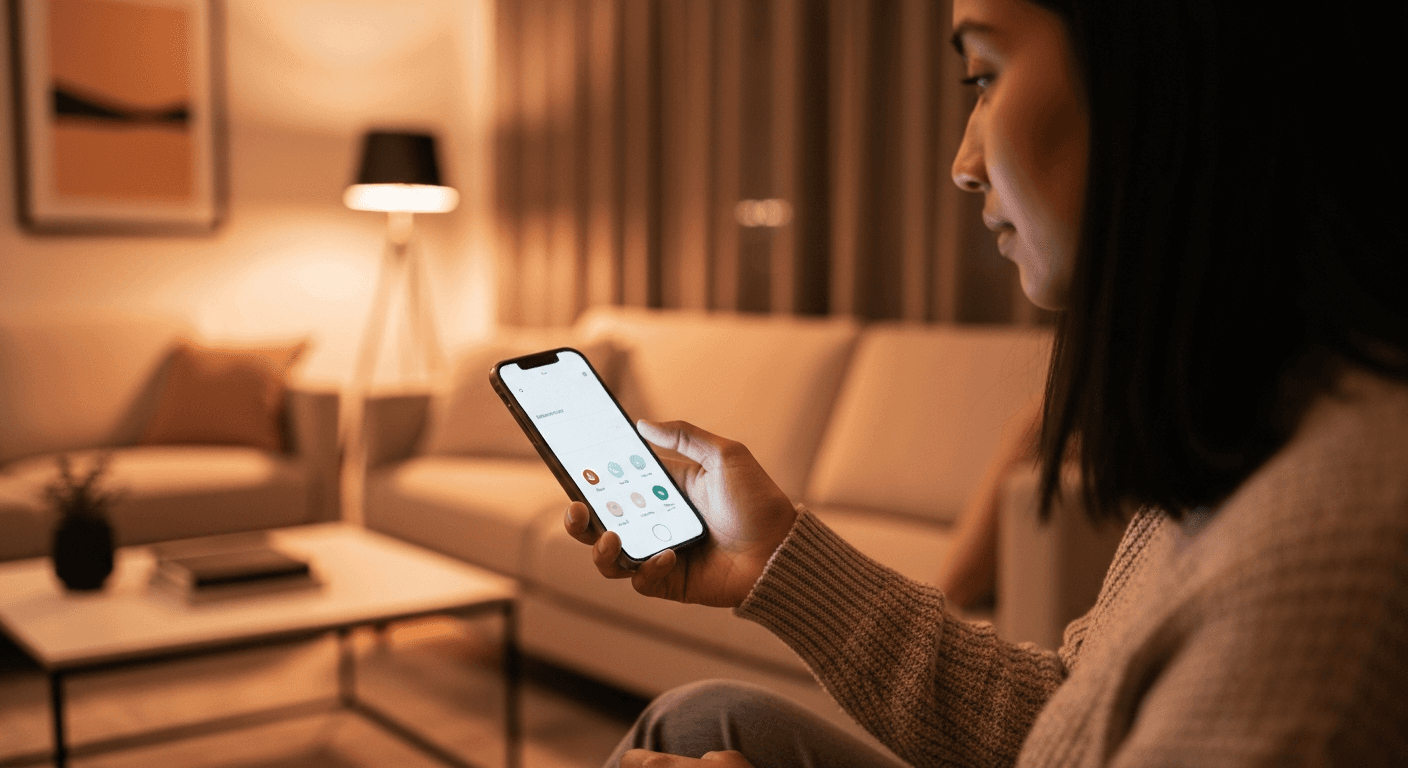
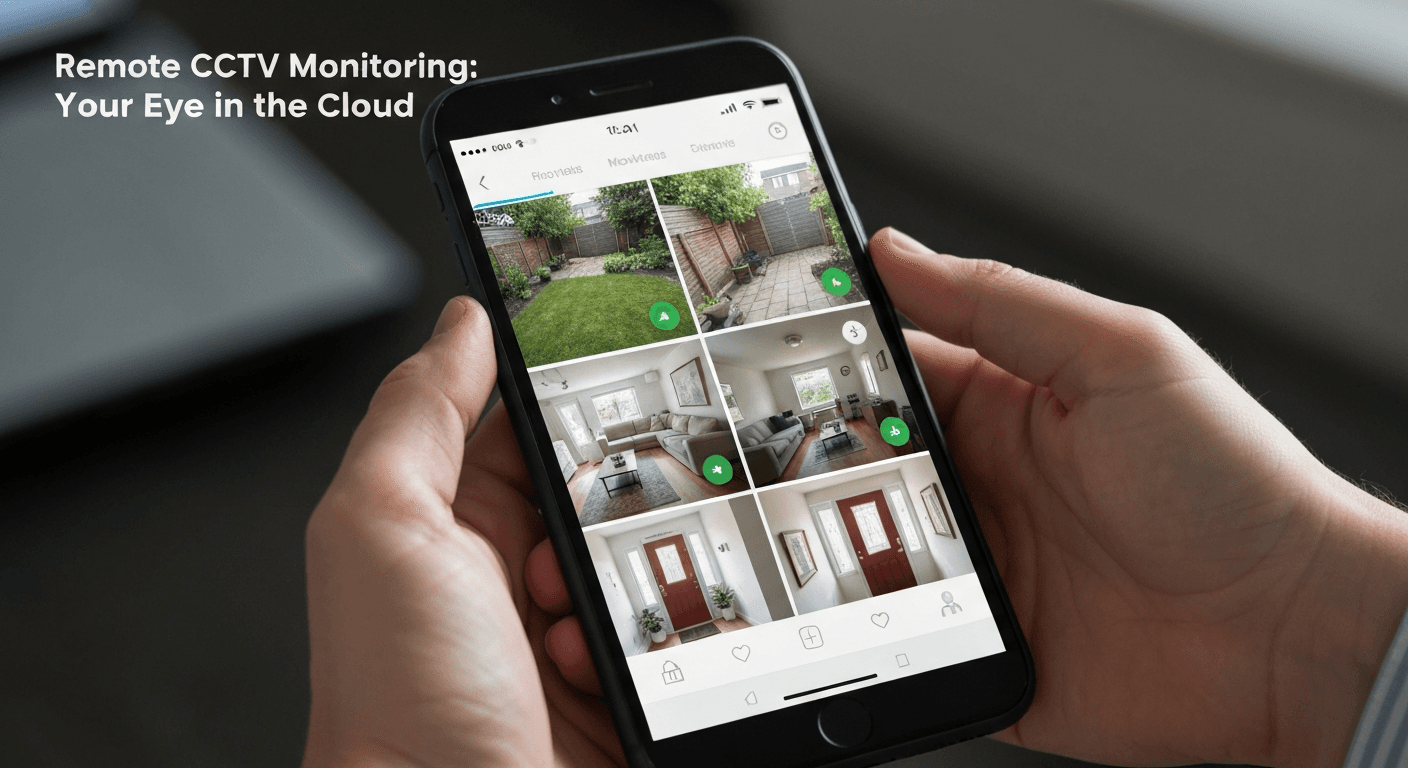
Let me tell you something — the number one question I get after every CCTV installation is: "How do I see my cameras on my phone?" And honestly, it is the best part of the whole system. You spent good money on security cameras, so you should be able to check on your home, shop, or warehouse from anywhere, whether you are at work, on vacation, or just sitting in traffic on the autostrad. The good news is that with apps like Hik-Connect for Hikvision systems and DMSS for Dahua systems, setting up remote viewing has become very simple — scan a QR code, create an account, and you are watching live in under 5 minutes. But here is where it gets real for us in Lebanon: your internet upload speed matters more than your download speed. With typical Ogero DSL giving you 1-3 Mbps upload, you can comfortably stream 2-4 cameras on sub-stream quality, which is perfectly fine for checking in on your phone. I walk every single customer through this setup for free after installation, because what good is a camera system if you cannot access it when you actually need it? In this guide, I will show you the exact steps, the common problems (like double NAT and router firewall issues), and the practical tricks we use to make remote viewing work reliably on Lebanese internet.

Read More
Generator vs. Solar in Lebanon: We Did the Math (And the Numbers Don't Lie)
February 20, 2026

Generator vs. Solar in Lebanon: We Did the Math (And the Numbers Don't Lie)

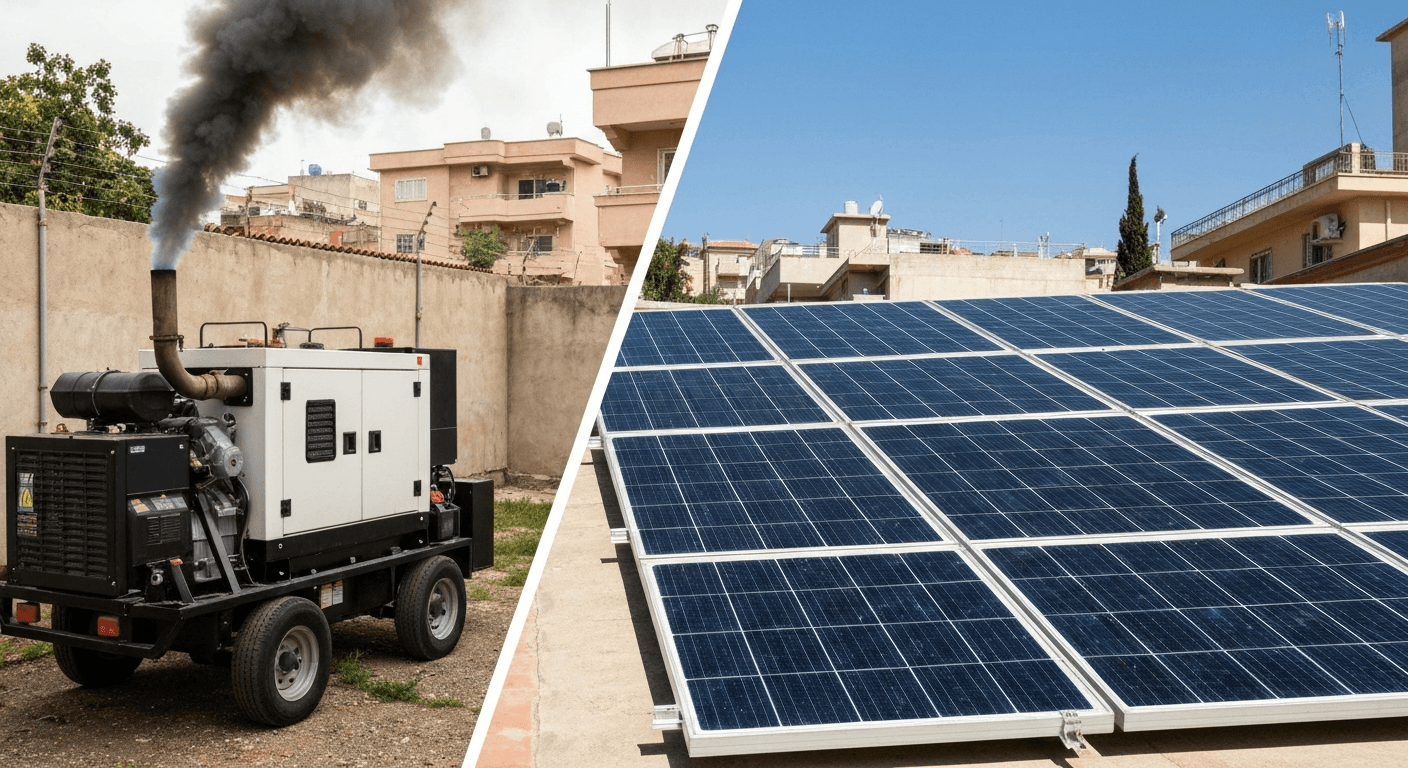
Let me be blunt with you: if you are still paying for a generator subscription in 2026, you are literally burning money. I have sat with hundreds of families across Lebanon doing the math, and it is the same story every time. A 5-amp generator subscription runs you $80-120 per month when you factor in the fixed fee plus consumption at $0.37 per kWh. Go up to 10 amps and you are looking at $150-200 monthly — sometimes more, because let us be honest, half the generator operators in this country charge above the official rate and nobody stops them. That is $1,800-2,400 a year going up in diesel smoke. Now here is what kills me: a 5KW solar system with battery backup costs $8,000-12,000 installed. Sounds like a lot, right? But do the math. At $150/month in generator costs, that system pays for itself in 4-5 years. After that? Your electricity is essentially free for the next 20 years. I have seen families in Keserwan and the Metn who switched two years ago and have not paid a single electricity bill since. One family in Broummana told me they are saving $3,500 a year. And before someone says "but solar does not work at night" — yes it does, with lithium batteries. A proper LiFePO4 battery bank gives you 8-12 hours of backup. Meanwhile, your generator neighbor is breathing in diesel fumes that AUB research linked to a 50% increase in cancer risk. The generator mafia has had this country by the throat for decades. Solar is how you break free.

Read More
Chat with us on WhatsApp